Maple Syrup Marketing Trick

I haven’t had maple syrup in a very long time, and I’m willing to bet that you haven’t either, no matter how often you eat pancakes or waffles.

The American companies that make syrup aren’t being very upfront about this fact.

I didn’t realize it, but the syrup I’d been using for the longest time is imitation maple syrup. There isn’t one drop of real maple in it. After a follow-up investigation at the grocery store, I found that the same seems to be true about all the popular brands.

How long has this been true? Why didn’t anyone tell me?

Real maple syrup (the stuff that comes out of trees) is available, but it’s three times more expensive.

Now, I don’t suppose there’s anything wrong with selling a knock-off as long as you’re honest about it. But like I mentioned, not everyone sees the value in honesty. Observe:

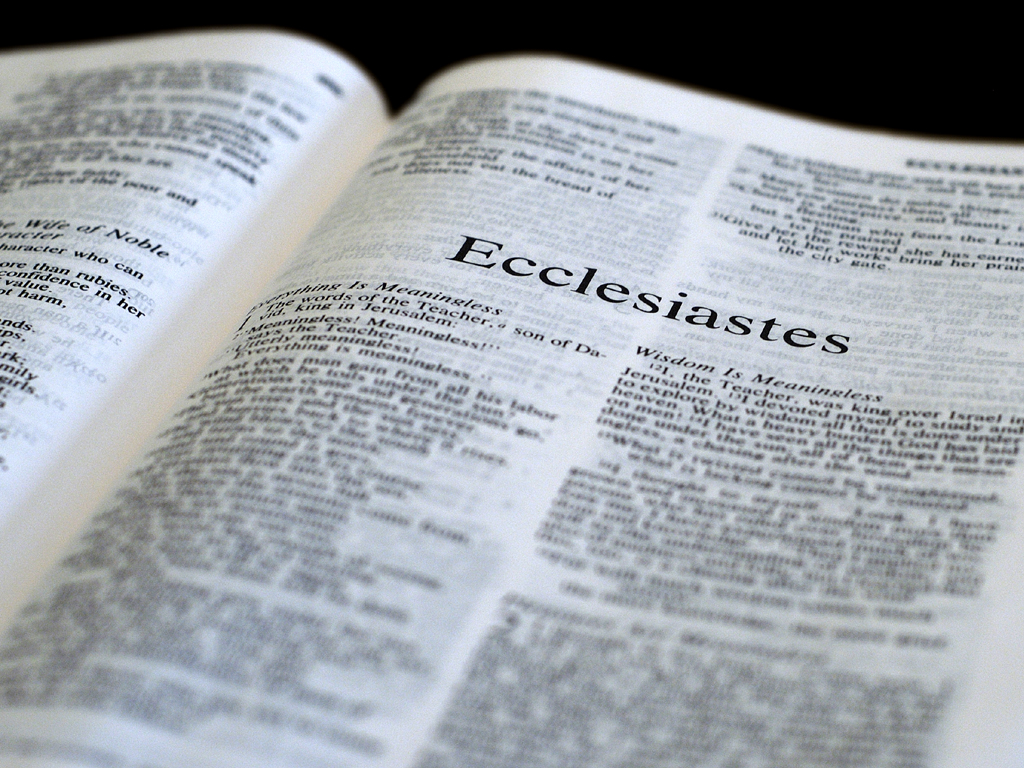
Aunt Maples

See what they did? A little mind trick. This brand is for sale at Aldi stores.

This particular syrup maker chose the name “Aunt Maple’s” so they could sell “Maple’s” syrup. Rather than saying “Maple-flavored” they chose “Original” and stuck the word at the bottom of the label.

Sneaky!

This tactic reminded me of one used by a student of Gary Halbert to increase the readership and credibility of his newspaper advertisements.
If you ever look at magazines and newspapers, even search engine results, you’re familiar with the “Advertisement” label that tells readers what is editorial content and what’s an ad.

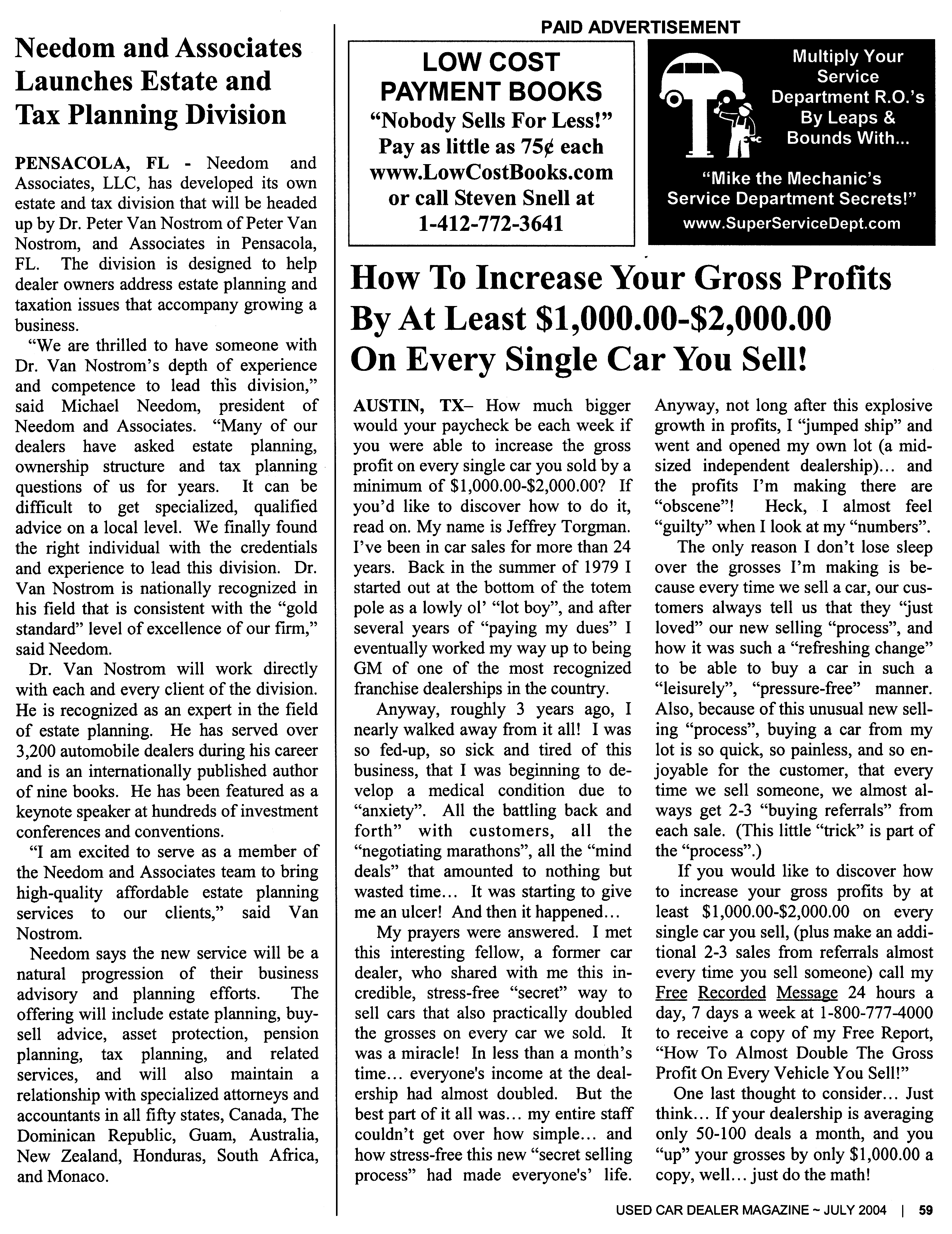
One marketer innovated a  clever way to make his paid ads look like regular articles (Joe Polish goes into detail about the concept here). Take a look:

Paid Ad BufferUsing what are obviously ads, he created a buffer between the advertorial piece and the “Paid Advertising” label. This technique improved the response to the ad by an impressive 750%.

Perception is powerful.

I was upset to find out that the syrup makers pulled a fast one on me. (Maybe I should have been mad at myself for not noticing sooner) Dishonesty is not something I advocate, but it’s hard to be mad at the creative approach they’re taking to position their product in the minds of consumers as real.

Do you need to improve your customers’ perception of the products/services you’re marketing?

I’d love to talk with you about it.

Are These 8 Copy Mistakes Ruining Your Website?

1. Hype. I strongly advise online businesses to make the strongest claims about their products and services that they can honestly deliver. But remember, big claims demand big proof.

The excessive use of exclamation points, generic adjectives (e.g. “awesome” or “epic”) and hard-to-believe promises (like anything in the “get rich quick” category) can scare away more prospects then they attract.

2. Clichés. While it’s important to talk to your customers in language that resonates with them, clichés can hurt the effectiveness of your copy. They may be evidence of laziness and a lack of creativity on the part of the writer.

Visitors to your website are looking for a new solution to their problem. It’s essential that your offering is clearly differentiated from the competition. Clichés often blend in rather than stand out.

3. Obviously ripped-off copy. This is a major turn-off. Your potential customers do a lot of research; they shop around. If they see the same sales copy on 2 or 3 or 6 different websites, their chances of buying are low.

4. Unfocused writing. Find out what your customers want. Then show/tell them why you’re uniquely qualified to help them get it. Drive that point home.

Going off on unrelated tangents is usually a bad idea.

5. Being boring. I can’t say it any more clearly than one of the forefathers of modern advertising, Claude Hopkins:

“Always bear these facts in mind. People are hurried. The average person worth cultivating has too much to read. They skip three-fourths of the reading matter, which they pay to get. They are not going to read your business talk unless you make it worth their while and let the headline show it.

“People will not be bored in print. They may listen politely at a dinner table to boasts and personalities, life history etc. But in print they choose their own companions, their own subjects. They want to be amused or benefited. They want economy, beauty, labor savings, good things to eat and wear.”

6. Selling too many things. Studies have proven time after time that too many choices lead to paralysis. Visitors can’t click your Buy Now button with a paralyzed finger. Sell one thing at a time.

If you have several products or services, make it as simple as possible for visitors to immediately find what they’re looking for.

7. Too many mistakes. Run-on sentences, spelling and grammar errors, and overall lack of attention to detail can ruin a sale. They show a lack of professionalism (that’s a nice way of saying mistakes can make you look really dumb).

It always helps to have a second pair of eyes to proofread. There’s also software that will read the text out loud, Sometimes you can hear the mistakes you missed visually.

8. Talking over your reader’s head. Using technical jargon, big or obscure words or complicated sentence structures will alienate readers. Why should the reader have to work hard to understand what youre saying? If your competitor enables his customers to read and buy without having to think too hard, who do you think will get more sales?

This is by no means a comprehensive list. But anyone who follows this advice will save themselves from a lot of problems with the copy on their websites.

The Strongest Incentive

Curiosity is one of the strongest of all human incentives. Once it’s been aroused, we can hardly sleep until we satisfy it.

How can you add curiosity to your business, product, or service? To your marketing message?

Have you ever heard of the Zeigarnik effect? It’s a psychological  phenomenon that can boost your persuasiveness. When people are given incomplete information, such as a story that is cut off before the end, the brain feels a strong need to “close the loop.”

This is why television shows and movies use cliffhanger endings. The audience just has to know what’s going to happen next.

Using the Zeigarnik effect is effective in both marketing and in-person selling situations. When you make a unique claim, make the person who reads or hears wonders “How is that possible? How can she do that?”  (Copywriters often call these “can’t-do-it” bullets or fascinations.) Their curiosity will compel them to find out the answer. Now, instead of chasing clients, they are coming to you, wanting to hear what you have to say.

That’s much stronger positioning.

But this doesn’t mean that you embrace ambiguity. That will have the opposite effect. You want your readers, hearers and viewers to know exactly what you’re talking about. That’s what makes the information interesting and relevant to them. Build curiosity around how and/or why.

The information has to be specific, relevant and unique. If it is too vague, it won’t be important enough for them to want to find out about. If it’s irrelevant, who cares? If the claim isn’t unique, or if the missing portion is too predictable, the curiosity disappears.

(More on how to avoid this costly mistake in the video below)

Take for example one of the longest-running advertising headlines in history: “Do You Make These Mistakes in English?” Anyone who wanted to speak intelligently 80 years ago (when this ad was written) was overcome by curiosity.

You can’t read that headline without wanting to learn more. This question implies there’s a strong possibility that the reader could be making embarrassing mistakes without realizing it. The word “These” indicates there are specific mistakes you could be making. It’s hard for your brain to just ignore that curiosity gap.

It also implies that reading the article (or advertisement) would be the first step to fixing the problem.

So, how can you add curiosity to your marketing messages today?

April 2019 Update: In the quest for more opens and clicks, many copywriters and marketers have strayed into the danger zone of ambiguity.

I explain you why this is such a major issue in “The Cost of Cheap Curiosity.” It’s the unauthorized recording of a private call with Agora Financial. 

Six Business Lessons from the Book of Ecclesiastes

The holiday season is upon us!

Many of your business will make a large chunk of your annual revenue between now and the end of the year. And quite a few of us spend a large chunk of our annual income on gifts, decorations, food, and the like.

Paradoxically, we’re told that November and December are also months in which discontentment and depression skyrocket. Add in the rotten state of the economy (what a terrible time to be unemployed or broke), and there are plenty of people feeling gloomy these days.

I had a moment not a couple of weeks ago where I felt as if I knew exactly how King Solomon felt when he wrote the Book of Ecclesiastes. The invisible part of me exclaimed “Vanity of vanities; all is vanity!

But rather than submitting to despair, I found encouragement and inspiration reflecting on this book of wisdom. Now I’d like to distill some of that inspiration to you, if you don’t mind. I’ve pulled out six lessons which I believe will really benefit you as you strive to finish 2011 strong.

This is not a meant to be an exposition of the Biblical text, nor is it intended to be religious instruction. You can drop in on my weekly Bible study class if you’re interested in that. This newsletter is designed to help you build your business, and that’s what we’re going to do today.

Lesson 1: Enjoy What You Do

“A man can do nothing better than to eat and drink and find satisfaction in his work.” Ecclesiastes 2:24 New International Version

Who told you that work shouldn’t be enjoyable? The truth of the matter is that many Americans do not enjoy their jobs. Results released at the beginning of the year from a poll taken by the Conference Board indicate that only 45% of us are satisfied with our jobs. That’s the lowest level since they started taking the poll 22 years ago.

There are many factors that go into being satisfied with the work you do. There should be some level of enjoyment. Ideally, each of us would work in areas we’re gifted in, doing things we love to do.  Thomas Edison is quoted as saying “I never did a day’s work in my life. It was all fun.

Satisfaction also implies that your work means something to you. Your inner drives and passions should match with your work. If you’ve been hanging around me for long, you know that I’m a quote nut, so here’s another for you: Malcolm Forbes said that “the biggest mistake people make in life is not trying to make a living at doing what they most enjoy.” You don’t have to go to work just to get a paycheck or earn a living. In fact, you’re really robbing yourself if you think about business that way. You have something special to offer the world. Something great. You just have to figure out what that is.

If you’re in a position you’re not crazy about, I bet you can still find something about it to enjoy or to be satisfied about. There’s nothing better than to enjoy your work while you work toward your dream, whether it be a job or an entrepreneurial opportunity.

One more note here. The New American Standard phrases Ecclesiastes 2:24 a little differently. It says that “there is nothing better than for a man to…tell himself that his labor is good.” You should only be doing work you can feel good about. What good is money if you have to sell your soul and beat down your conscience to earn it?

Lesson 2: Give It All You’ve Got

“Whatever your hand finds to do, do it with all your might.” Ecclesiastes 9:10 New International Version

This is related to the first lesson. It’s worth saying, though.

To keep it simple, never give less than 100% in your work. Whether you run a Fortune 500 company or a neighborhood shop that’s been in the family for generations, work as smart and as hard as you can every day.

There are times when “coasting” seems like a good idea, You know the feeling. “I worked my butt off yesterday, so I think I’ll take it easy today.” This is especially easy to do when you aren’t finding satisfaction in what you’re doing.

You don’t need me to tell you that this mentality is appealing to all of us every once in a while. But giving into it is dangerous. Giving your best effort will bring success faster. You’ll experience breakthroughs that you’d have never come across just drifting along. And you’ll have a chance to gain mastery that comes with going all out. Anyone who wants to get to the top of their game and be recognized as an expert or superstar will have to put all their might behind their work.

This is not to say that you shouldn’t take vacations or enjoy your leisure time. You absolutely have to do that. But when you’re working, give it all you’ve got.

I’ve often noted that “success is never accidental.” If you insist on coasting or working half-heartedly, don’t hold your breath waiting on it. On the other hand, success can be coincidental. It tends to happen while you’re working hard.

Lesson 3: Live Up to Your Claims

“It is better to say nothing than to promise something that you don’t follow through on.” Ecclesiastes 5:5 New Living Translation

This lesson is simple enough, but so many businesses screw up at this point.

In a recent post on my blog, I put up a video of an old television commercial for Cash4Gold. I don’t have any issue with the concept of sending in jewelry in exchange for money. It’s a good idea: people need money, Cash4Gold and its counterparts are getting ultra-high rates for precious metals, so no one is really getting robbed, as far as I know.

The problem is how the commercial is set up. The claim is that you can end your “personal recession” by dealing with this company. Crazy, huh? A bit insulting, too. Do I look like an idiot? (Don’t answer that)

Jerry Della Famina says that “there is a great deal of advertising that is much better than the product. When that happens, all the good advertising will do is put you out of business faster.”

And Bill Bernbach: “Advertising doesn’t create a product advantage. It can only convey it.”

Many businesspeople and marketers feel the need to use hype and exaggerated claims to get attention for their product or service. Salespeople often overpromise to close the deal. This is no good. Your customers will find you out. And then, all your credibility is gone. The negative publicity you’ll receive often more than undoes the positive contributions gained by the dishonesty.

Don’t say you can do anything you can’t. Don’t promise to do anything that you won’t do.

If you say it, you better do it!

Having said that, never shy away from making big claims if you can back them up. Sometimes we are scared to make the bold statements about how great our product or service is. But if it’s true, tell the world. Otherwise you’re selling yourself short and robbing your potential customers of an opportunity to have a great experience.

Lesson 4: Pay Attention to the Seasons

“There is a time for everything.” Ecclesiastes 3:1 New Living Translation

In this passage, Solomon describes one of life’s great truths. There is a time for everything. Then he lists several of them: there’s a time to be born, to die, to plant and harvest, to cry and laugh.

So where am I going with this? Two things.

First, don’t let economic cycles destroy your confidence or courage. These cycles occur on a macro (nation- or even worldwide) level, as well as on a micro level (pertaining to you and your business personally). You will have to be smart to figure out how to thrive in both good times and bad, but don’t throw in the towel just because we’re in a recession. Don’t mentally give up, like so many of your colleagues and competitors already have. This is a season. It will pass sooner or later.

Second, I want to focus on Ecclesiastes 3:6, which says there is a “time to get, and a time to lose; a time to keep, and a time to cast away.”

Specifically, I’m thinking about clients and customers here. There is a time when your business needs to be on the look out for new and more customers. For some businesses and industries, that may be all the time. For others, clients stick around longer and the need to get new or more is much less urgent.

Every business has to balance their customer acquisition efforts with their retention efforts. Some customers you want to keep. But there are times that you’ll want to cast some of them away and get new ones to replace them. If you have “bad” customers or clients, ones that take up too much of your time, pay you too little, or who just don’t work well with you, it may be time to lose those individuals.

Lesson 5: Protect Your Good Name

“A good reputation is more valuable than the most expensive perfume.” Ecclesiastes 7:1 New Living Translation

Lesson 4 is an important part of Lesson 5.

You build your reputation by doing good work, providing value, treating people well, etc. You can ruin your reputation by doing crappy jobs, disrespecting people or making them feel ripped off. I don’t know that there’s any more effective way to demolish your chances at business success than to allow your good name to be ill spoken of.

There are a million ways to build a solid reputation. Here’s a start:

  • Always provide all the value you possibly can
  • Never leave a job done in a way that you wouldn’t want God to inspect
  • Treat your customers the way you would want to be treated. You know what? Do better than that. Treat them the way THEY want to be treated
  • Meet your deadlines
  • Be consistent
  • Don’t overpromise
  • Overdeliver as much as you can
  • Be the expert

Warren Buffett teaches that “it takes 20 years to build a reputation and five minutes to ruin it. If you think about that, you’ll do things differently.” I don’t think it takes 20 years to build a good name (at least not any more), but what he’s saying is true. You have to work hard to obtain good standing in your industry or locality. It is incredibly easy to undo all of that hard work. Be diligent in protecting what you’ve built.

Lesson 6: Three Is Better Than One

“Though one may be overpowered, two can defend themselves. A cord of three strands is not easily broken.” Ecclesiastes 4:12 New International Version

I know this has been a long newsletter, so I’ll make this point brief.

Develop intelligent strategic alliances. Partner with other businesses and business people who you can work with in a mutually beneficial manner.

A good example of this is the home inspector I used when I purchased my house. He had an alliance with a sales representative for a home security company. Whenever he would inspect a home for a customer, he’d present an offer from his buddy with the security system. Both knew that new home buyers are ripe for these kinds of offers. They worked together to compliment each other’s business.

Look for ways you can do the same thing.

I also advise people to get a strong personal network in place. Family, loved ones and friends are an important part of life. Who wants to be lonely? When we go through hard times, it’s nice to have people to comfort us. When things are going better than we could have imagined, we want people to celebrate with.

There’s an African proverb that says “if you want to go fast, go alone. If you want to go far, go together.” Think about it.

In Conclusion

The road we’re traveling on can get rough. You may feel like crying, like quitting. You may lament with Solomon that “all is vanity;” it feels that way sometimes. I beg you, take heart, refocus on the goals you’ve set before you, and keep pushing. Mediocrity is not what you want. So don’t let it happen to you.
Sharing The Other Side of the Story

Storytelling is a very hot topic right now, and I chimed in from a unique perspective in my December newsletter.

It’s rare that I do this, but I’m making this edition available to the general public. I think it’s that important.

Take a gander at “Another Angle on Storytelling.

My point, as tends to be the case, is this: even when telling your story, IT’S NOT ABOUT YOU.

Enjoy!

Recommended Reading:
lowercase branding – What’s really important when it comes to building an incredible brand?

Wasting Money on Short Copy 2

“It is simply common sense that the more of your story you can force your prospects to read , the more thoroughly you can sell him. To attempt to do the same selling job in ten words, instead of a hundred, or a thousand, is to shoot craps with your clients’ money. You might as well buy only enough space to print your headline, and use the rest of the budget for repeat insertions.”

– Eugene Schwartz, Breakthrough Advertising

**Update**

Not long ago, I recorded a Facebook Live video in my group, the Email Copywriting Corner, discussing a recent email marketing example of this principle.  I share some specific performance numbers and what you may be to ascertain from them.

It’s a short video…about long(er) copy.


lowercase branding

There’s a lot of talk these days about branding (then again, when isn’t there?). There are branding consultants, how-to books and home-study courses, etc. Branding is big business. Brands themselves are big business. Which is why everyone wants to “get it right.” Play this card right, they say, and my company will experience success like never before.

Let me get this out of the way: there is nothing wrong with branding. You absolutely should have a strong brand. In fact, you’re creating a brand whether you know it or not. You might as well be intentional about it and make a good one.

What’s A Brand, Really?

A brand is simply the identity of a company, product or service as perceived by consumers. As we noted, every company has a brand. There are powerful brands like Nike. People around the world instantly recognize their logo. They know their slogan by heart. And their products are held as valuable everywhere. In fact, it is the brand that gives the product it’s heightened perceived value. Having shoes is nice; having Nikes is something special.

Then there are the weaker brands. Sometimes we call them generic. We compare them with “name brands,” as if they don’t have a name. Regardless of their quality or usefulness, we pay less for them and usually want them less. Remember when it was common to hear about children having their shoes stolen right off of their feet? I don’t remember Payless brand shoes ever being on the list of the items taken.

Don’t You HAVE to Capitalize That?

How do you think that the big brands got to be big?

Why is Coca-Cola so popular? How can Starbucks charge so much more for coffee than the competition and still have “enthusiastically satisfied” (that’s Starbucks’ own verbiage) customers during hard economic times?

And more importantly, how can YOU start to do the same thing?

Branding Rule #1: It’s not about you.
Sales and Marketing 101 teaches us that customers don’t want to buy drills, they want holes. Elmer Wheeler says “Sell the sizzle, not the steak.”

The same is true about building a brand. You don’t create a world-class identity by trying to create a world-class identity. Don’t focus on yourself or your business. Concentrate on the people you’re trying to influence. What do people desperately want? How can you give it to them? Can you associate your product with something that people already go crazy for?

Branding Rule #2: Don’t underpromise.
This cliché might be one of the dumbest things I’ve ever heard. I get where people are coming from when they say it, but I’m telling you, it’s dead wrong.

Make the strongest statements you can about the benefits that your audience will get from your buying from you. Why would you under-sell yourself? Why would you water down the truth about your awesomeness? If you follow Branding Rule #1, you have a product or service that genuinely improves people’s lives. You have to get them to buy it for them to experience the improvement, though. You’re doing your prospects a serious disservice by downplaying the good you can do for them.

Never promise more than you can deliver, but don’t shoot yourself in the foot by underpromising either.

If you don’t stand out as the best, the only provider of what you sell, your customers might overlook you and buy from someone less committed to meeting their needs. Don’t let that happen. It’s up to you to make the big promise.

Branding Rule #3: Do overdeliver.
Surprise your customers with how awesome their experience with your company, product or service is. If you promise that they’ll double their Mandarin vocabulary in 30 days by taking your course, delight your patrons by tripling it.

That’s where the magic happens. When people get more than they ask for, they can’t wait to tell someone about their experience. And you quest for world-renown for your brand really takes off.

Commit to making a great product or giving a great service. Don’t focus on getting what you can from your customers. If you want to be the next Mercedes-Benz brand, give ten times more value than you plan to get back from your clients.

You could probably make some good money really quickly by short-changing everyone, cutting corners on quality to maximize profits. But you will never build a sustainable, respectable brand by doing business like that. And you will have traded in your integrity and good name for a quick buck. Sound like a good deal?

Branding Rule #4: Make purposeful statements about who you are as a company.
Your brand is as much about how people identify with you as it is about who you actually are. Maybe more.

Roy Williams wrote in one of his Monday Morning Memos:

“Brands are identity reinforcement, just like art and architecture and music. Brands are a way of shouting ‘This is me!’”

Remember that your brand is only as good as the perception you create.

In most cases, people will not come to the correct conclusions about who you are as a company if you never tell them what to think. Plus, there will never be one coherent brand identity. Everyone will have their own interpretations of your brand.

Here are some thoughts to consider when drafting your brand messaging:

  • Always be truthful
  • You’re talking about yourself, but you still should identify with the customer
  • Tell them who you are and WHY IT MATTERS TO THEM
  • Have one overall message: one thing you stand for, oppose, believe in, or are working toward
  • Encourage interaction. Make your customers part of your “movement”
  • Never be boring. Be bold, be unique
  • Find something only you can say, and say it

Branding Rule #5: Participate in your communities in ways that are aligned to your corporate personality.

That can include everything from throwing concerts or events to feeding the homeless and sponsoring little league teams.

NBA Cares is an outstanding example of getting involved and making a compelling brand statement.

In the online world, you could give away free information or put on special webinars for noteworthy occasions.

This doesn’t have to be charitable giving. Getting involved with people outside of them handing you money is a great way to prove who you are and what you care about.

About the “lowercase” Thing

Did I confuse anyone with the lowercase branding headline?

The point is this. Branding is such a hot topic, and there are so many conversations going on around the subject. Rightly so. My concern is that we’ll begin to focus on creating brands and messages rather than on doing great business.

The customer should be “uppercase,” since they are what really matters. The business should be built around taking care of them. The brand is “lowercase.” The brand doesn’t exist for it’s own pleasure; the brand is about the customer.

Major brands are not formed by putting energy into making a brand, but by companies and individuals that provide outstanding products or services. The brand identity is a gift wrapping of sorts. The gift inside is what deserves more attention. That would be your business.

I’m not saying don’t build your brand. Just don’t put the cart in front of the proverbial horse.

How to Pick Your Target Audience, Quick Thoughts

Many business owners think that everyone is an ideal customer for their product or service.

Sound familiar?

They’ve probably heard that they should focus on a certain customer type, but it can be hard to choose one.

Here’s a quick tip. If you have trouble choosing a specific audience to target your business and marketing towards, ask yourself this:

Who is the most likely person to buy this product? (Who wants it? Who can afford it and is willing to pay for it.)

That’s a good place to start.

Create a character out of that imaginary customer. Give him/her a name. How old is he? What does she do for a living? Where does she live? What are his biggest problems and fears? What goals and dreams does he have? What does she want out of life? Etc.

Asking and answering these questions seriously will help clarify in your mind who your best customers are likely to be. You may also learn something about what it is that you’re really selling.

You’re not selling suits. You’re handing out confidence and prestige.

Now that I think about it, even if you have a pretty good idea of who your target market is, this little exercise could still be informative. Give it a try!

Wasting Money on Short Copy

“The truth is, the unmotivated 95% won’t read short copy or long! So if you shorten your copy in a misguided attempt to get a higher readership among the unmotivated 95%, you’ll lose that unmotivated 95% anyway. But you will also deprive the motivated 5% of the longer sales copy they need to make a favorable decision. You will waste 100% of your money if you downsize your message to accommodate the unmotivated 95%.

“Write instead only to the motivated 5% and upsize your message to include everything your most motivated, eager-to-buy prospects want to know!”

– Gary Bencivenga, from his 29th Marketing Bullet